
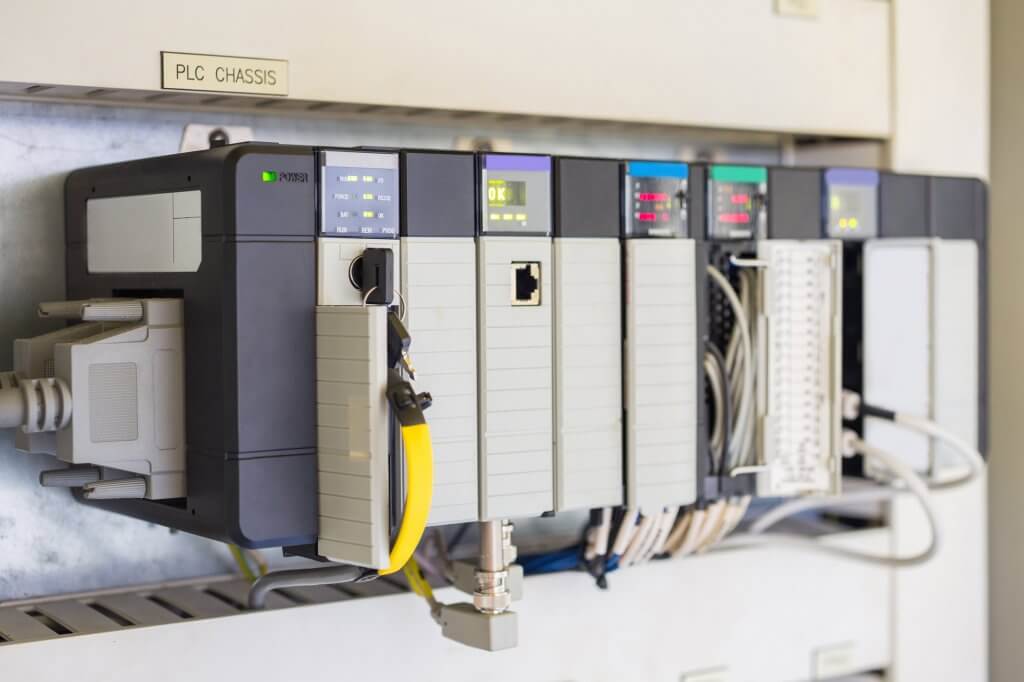
What is a PLC?
A Programmable Logic Controller, or PLC, is a computer system comprised of various components designed for industrial automation applications. These controllers play a crucial role in automating specific processes, machine functions, and even entire production lines. The successful automation of manufacturing processes in today’s world heavily relies on the seamless communication between various industrial systems, encompassing both mechanical and electrical components. This communication is facilitated through a carefully configured PLC system.
The workhorse of industrial automation, PLCs are small, specialized computers with no display, keyboard, printer, or hard drive. Its primary function is to control specific manufacturing outputs using distinct inputs and pre-programmed rules. PLCs capture data from the plant floor by monitoring inputs from connected machines and devices. These inputs are then evaluated against the programmed logic, which subsequently controls the outputs to various connected output devices.
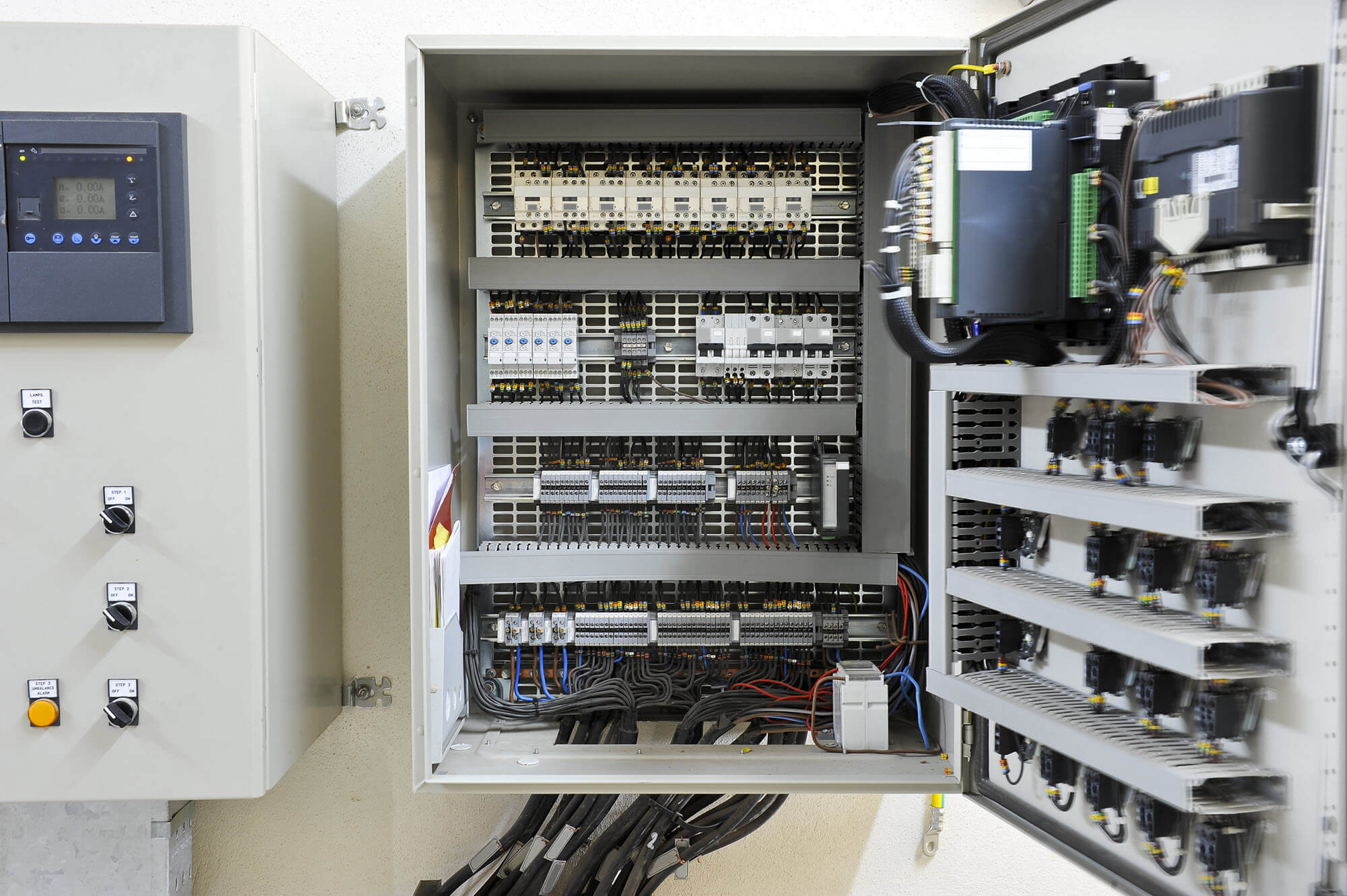
What are the 5 main components of a PLC?
PLCs come in a variety of sizes and with different capabilities, but all include the following five essential components:
1 – Central Processing Unit (CPU) – This is the “brains” of the PLC that holds the software with the preprogrammed rules, that decide what outputs are exercised given the signals received from the input module. It consists of a microprocessor to perform the logic task, a memory chip for storage, and other integrated circuits.
2 – Input Module (i.e., field sensors) – These are the physical connections between the outside world and the PLC. These sensors sense when an external signal is received and convert that signal into an electrical signal that is then sent to the accompanying CPU to be processed. Sensors come in two variations, digital or analog. Digital sensors only provide information on whether something is on or off. Some examples of digital sensors include on/off switches, bimetallic strips, float switches, etc. To collect information that varies between on and off, an analog input is needed. Some examples of an analog sensor include a control knob, thermocouple, pressure sensor, strain gauge, etc
3 – Output Modules (i.e. field output devices) – These are downstream devices that receive a specific signal from the CPU to execute a preprogrammed response action. Some examples include variable frequency drives, indicator lights, motors, starters, etc.
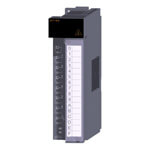
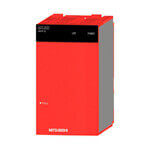
4 – Power supply – The PLC power supply converts a line voltage, commonly 120- or 240-volts AC, or Alternating Current, into a useable DC, or Direct Current, voltage, commonly 24 volts, to power on the PLC and its components. While the main power supply is the primary source of power for the PLC, there is usually a battery backup as well.
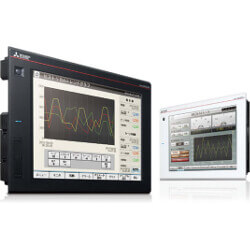
4 – Programming Unit – A Human-Machine Interface (HMI) is most commonly used in industrial manufacturing and automation environments. An HMI allows operators to monitor and control machinery using visual representations of the components in real time. It also enables operators to optimize efficiency by providing insight into mechanical performance and progress.ct with the CPU.
HMIs serve to:
- Visually display data.
- Track production time, trends, and tags.
- Oversee KPIs.
- Monitor machine inputs and outputs.
- Monitor system health and performance.
In addition to the 5 main PLC components, MISUMI offers a wide range of PLC-related accessories to complement your application, such as equipment-specific cables, mounting racks, batteries, and industrial connectors.
PLCs have helped to revolutionize automation and have made machine operations more efficient and effective to program, perform, expand capabilities, troubleshoot, and repair manufacturing devices in a multitude of industries. MISUMI can help you build the exact PLC system for your company’s needs. Feel free to contact electrical@misumiusa.com to speak with an electrical professional today